
Amish Built Bedroom Furniture: Built for Life, Not Just for Looks
Summary:
This guide assists new parents in selecting or crafting a nursery name sign. It details choices in materials, design styles, fonts, colors, and accents, covering options like wood and canvas. The guide also compares DIY with custom orders and provides installation advice, all to help create a personal and beloved nursery space.
The nursery is not just a room. It’s the space where your baby takes some of their first naps, where you rock them to sleep, and where those late-night feedings become part of your new rhythm. If you’re a mom, you’ll be spending a lot of time in your nursery.
So, of course, you want it to feel just right. You don’t want to have to spend that much time in a space you’re not satisfied with.
And few things make a nursery feel more personal than a nursery name sign.
But with so many choices—materials, styles, fonts, colors—it can be overwhelming. Whether you’re a first-time parent or a nursery decor pro, this guide walks you through every decision so you can choose (or create) the perfect name sign with confidence.
At Cherie Kay, we create high-quality art for nurseries, and we’ve got a few tips for you. Let’s break it down step-by-step.
Table of Contents

Why Is Amish Craftsmanship The Best?

What Pieces Do I Need For My Bedroom?

Can I Customize Amish Bedroom Furniture?

Does The Value of Amish Bedroom Furniture Degrade Over Time?

Final Thoughts: Buy Once, Buy Well
Why Is Amish Craftsmanship The Best?
Walk into a big-box furniture store, and you’ll see a lot of options. But most of it is factory-made overseas. Pressed wood. Glued joints. Mass-produced designs.
It may look okay on the outside, but underneath? It’s probably not built to last.
Amish furniture is different. Every piece is crafted by hand by skilled craftsmen who have learned the trade from their fathers and grandfathers.
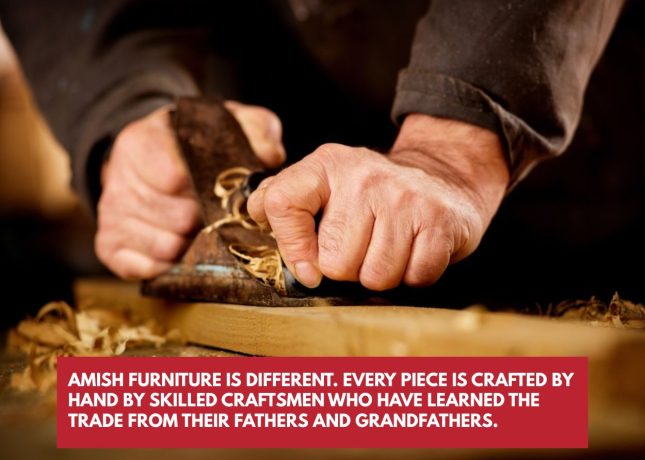
No shortcuts. No assembly lines. Just generations of skill passed down and refined.
The difference isn’t just visible — it’s something you feel the moment you open a drawer or run your hand across the wood.
Let’s break down what makes Amish-built bedroom furniture a step above the rest.
1. Handcrafted Construction Techniques
This furniture isn’t held together with staples and glue. Amish builders use time-tested joinery methods that carpenters have relied on for centuries.
Mortise-and-Tenon Joints
Think of this like a wooden puzzle. One piece is carved with a “tenon” (a tongue of wood), and the other has a “mortise” (a matching hole). Slide them together, and they lock tight. No squeaking. No shifting. Just strength that holds up year after year.
Dovetail Joinery
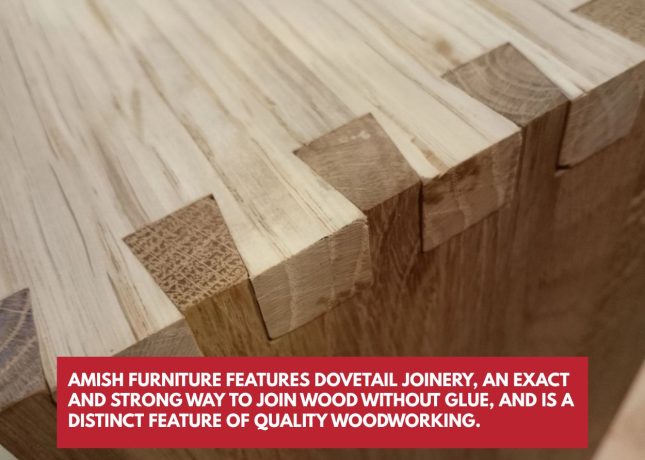
You’ll see this in drawers — those little angled fingers of wood interlocking at the corners. Dovetails are not just beautiful; they’re incredibly strong. Unlike glued corners, they won’t fall apart over time. This is the difference between a drawer that lasts decades versus one that sags in months.
Hand-Rubbed Finishes
Most mass-produced furniture gets sprayed with a quick coat of lacquer. Not here. Amish furniture is sanded smooth by hand. Stains are applied slowly. Finishes are built up in layers. The result? A silky, durable surface that brings out the natural grain and protects the wood for the long haul.
2. Carefully Chosen Wood: No Particleboard
Amish builders are picky about their wood. And it shows.
Each board is selected not only for its strength, but also for its grain pattern, color, and character. You won’t find plywood or particleboard here — only real, solid hardwood. And not only is that hardwood durable, but its beauty also helps you create a warm, welcoming, and timeless living space.
Some of the most popular options include:
Oak
Strong and classic, oak is known for its open grain and resistance to wear. It lends that warm, timeless look most people associate with “Amish furniture.”
Cherry
Cherry has rich, reddish-brown tones that deepen with age, adding elegance to any room. It’s also smooth and easy to polish, making it a favorite for high-end pieces.
Maple
Tough as nails, maple resists nicks and dents, making it a great choice for everyday use. It has a clean, light color that fits modern styles well.
Walnut
Dark, dramatic, and full of character, walnut has a natural beauty that doesn’t need much dressing up. It’s great for statement pieces or a more luxurious feel.
Each wood type brings a unique personality to your bedroom. And with Amish craftsmanship, you know it’s been dried, cured, and finished with care — so your bed won’t break when your children jump on it, and the backs of your dresser drawers won’t start coming loose after repeated use.
What Pieces Do I Need For My Bedroom?
Amish-built bedroom furniture isn’t just beautiful — it’s practical. The designs focus on what people actually use every day.
Here are some of the most popular pieces:
Beds
From classic panel beds to sleigh beds to modern platform styles, Amish builders create frames that feel sturdy and grounded. No more creaking or shifting in the night. And many can be made with storage drawers underneath if you need extra space.
Dressers
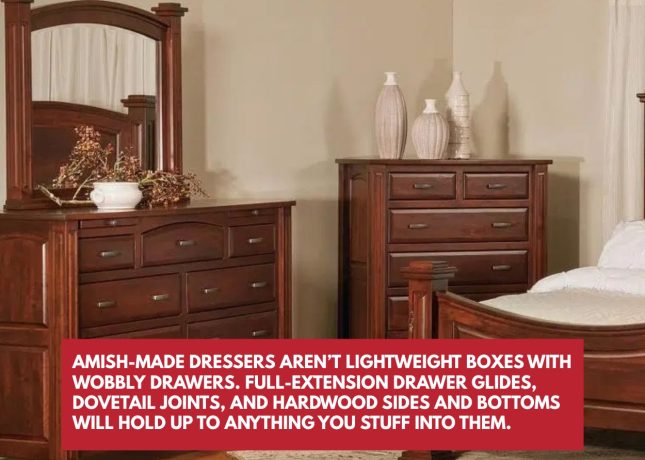
These aren’t lightweight boxes with wobbly drawers. Amish-made dressers use full-extension drawer glides, dovetail joints, and hardwood sides and bottoms. You can stuff them full — they’ll hold up.
Nightstands
Amish nightstands often include smooth-gliding drawers, hidden charging ports, and custom heights to match your bed frame. With dozens of stain and hardware options, you’re sure to find something that fits your style perfectly.
Armoires & Wardrobes
Don’t have a closet? No problem. Armoires offer deep storage and elegant design. They’re perfect for storing clothes, linens, or even a TV. Most come with customizable interior options — so you can get shelves, drawers, or hanging rods exactly where you want them.
More on your customization options in the next section!
Can I Customize Amish Bedroom Furniture?
The beauty of Amish-built bedroom furniture isn’t just in the quality — it’s in the flexibility. Having some flexibility means you can make your bedroom into a space that reflects you and your personality. And you can be sure to get a perfect fit, even if your bedroom has odd dimensions.
Here’s what you can typically customize:
Dimensions
Have a tight space? Extra-tall ceilings? Want a bed with built-in drawers? Amish builders can adjust the height, width, and depth of bedroom furniture pieces to fit your room perfectly.
Stains & Finishes
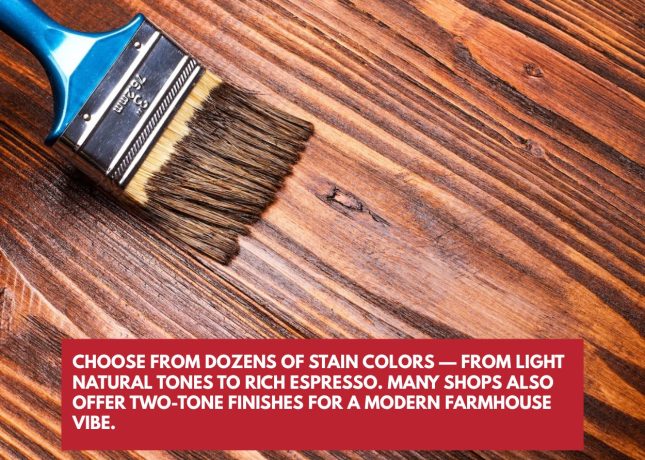
Choose from dozens of stain colors — from light natural tones to rich espresso. Want a painted piece instead? That’s on the table too. Many shops also offer two-tone finishes for a modern farmhouse vibe.
Hardware
Handles, knobs, and hinges come in multiple styles — brushed nickel, antique bronze, oil-rubbed black, or simple wood. Pick the one that matches your home’s personality.
Carvings & Design Details
Do you love the idea of decorative inlays? Want a scalloped edge or beveled mirror? Amish shops often offer hand-carved details that give your furniture an extra touch of elegance — without going over the top.
Customization is where Amish craftsmanship really shines. Because when something is made by hand, it can be made for you — not just for anyone.
Does The Value of Amish Bedroom Furniture Degrade Over Time?
Yes, Amish furniture generally holds its value very well over time. That said, in general, all used household goods depreciate in value and it’s only in some cases that you can get as much as you paid for it if you decide to resell.
But, like we said, Amish furniture does tend to hold its value over time better than other furniture.
At risk of sounding like a broken record, here’s why:
1. Quality Materials
Like we said before, Amish furniture is usually made from solid hardwoods like oak, cherry, walnut, and maple—not particleboard or veneers. These woods age beautifully and resist damage better than cheaper materials, helping the furniture hold its value.
2. Craftsmanship
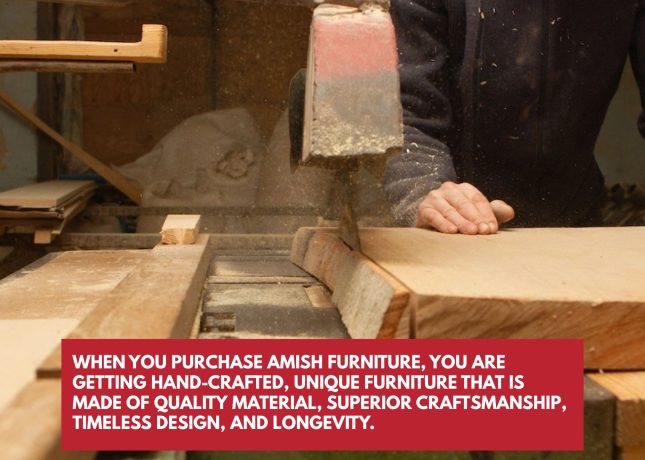
Each piece is handcrafted using traditional joinery techniques (like dovetails and mortise-and-tenon joints). This also makes the furniture more durable, which means less wear-and-tear depreciation over time.
3. Timeless Design
Amish furniture tends to follow classic, clean designs rather than trendy styles that go out of fashion. That means it doesn’t look “dated” as quickly as mass-produced furniture might (which would then drop in value quite quickly.)
4. Low Supply, High Demand
Because it’s made in small batches or custom-built, there’s limited availability. That can help preserve resale value, especially for well-maintained or unique pieces.
5. Longevity
While most factory furniture lasts 5–10 years before showing major signs of wear, Amish-built furniture often lasts for decades, and is frequently passed down as heirlooms.
So, will you get the same price you paid for your furniture if you decide to resell? Most likely not, although in rare cases, well-made furniture can appreciate in value. But your Amish furniture will hold its value better than big-box furniture.
Final Thoughts: Buy Once. Buy Well.
Bedroom furniture isn’t just décor. Since it furnishes the place where you go to sleep every night and wake every morning, it’s part of your daily life.
You lean on your dresser every morning. You toss your keys on your nightstand at the end of a long day. Your bed is where your body rests, your mind recharges, and your dog sneaks in at 2 a.m.
Don’t settle for something weak or wobbly.
Choose something solid and personal. Choose Amish-built bedroom furniture that’s crafted with care and built for life.
At Covered Bridge Furniture, we offer a variety of Amish-built furniture for all your needs:
And when you’re ready to bring that level of quality into your home, contact Covered Bridge Furniture. Your future heirloom might just be waiting there.