Wood Species

Mature hardwoods supply the nation

With timber used for everything from railroad ties to quality furnishings. US Hardwoods are appreciated around the world for their warmth and lasting beauty in furniture, cabinetry, millwork, and flooring. Just as each tree is different from the next, so too are hardwood products individually unique. Different species of hardwood are characterized by an infinite variety of graining and distinct textures. Additional characteristics occur when, as the tree grows and matures, limbs fall off leaving behind a knot on the hardwood surface. All of these natural markings add character to the wood’s appearance without affecting the durability or stability of the wood. Here is some specific information about the different wood types we offer.
Red-Oak

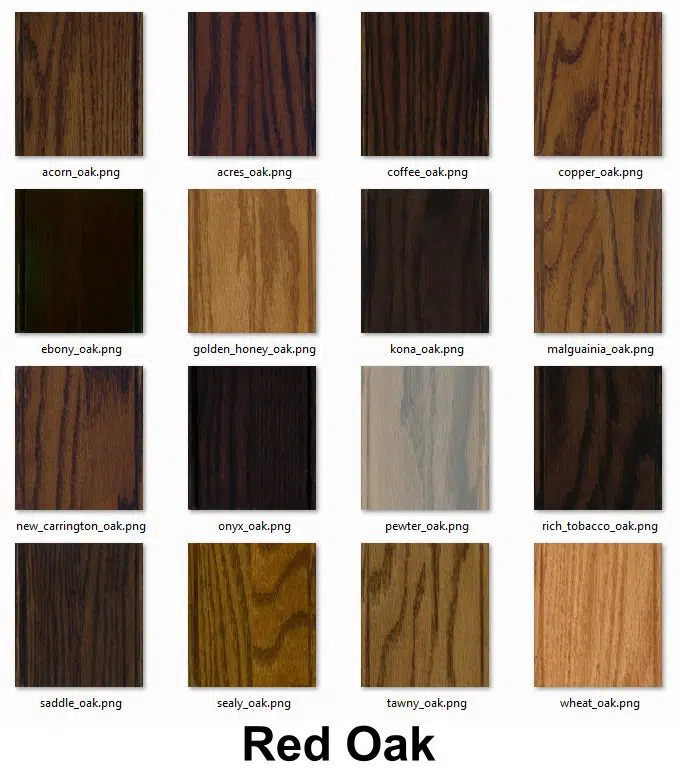
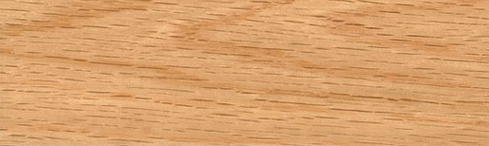
Red Oak

Red Oak is characterized by its orange-reddish hue with the sapwood being white to light brown. The wood has a pronounced opened grain and is very durable with good wearresistance. The stain absorbs into this open grain pattern becoming darker where the grain is close and lighter where the grain is more open. This is an ideal choice if you desire a warm look. Red Oak has a rating of 1290 on the Janka Hardness Scale*.
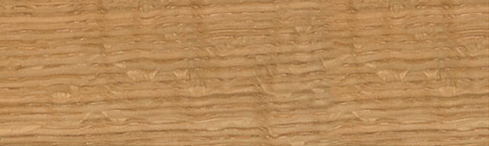
Quarter-Sawn-Oak

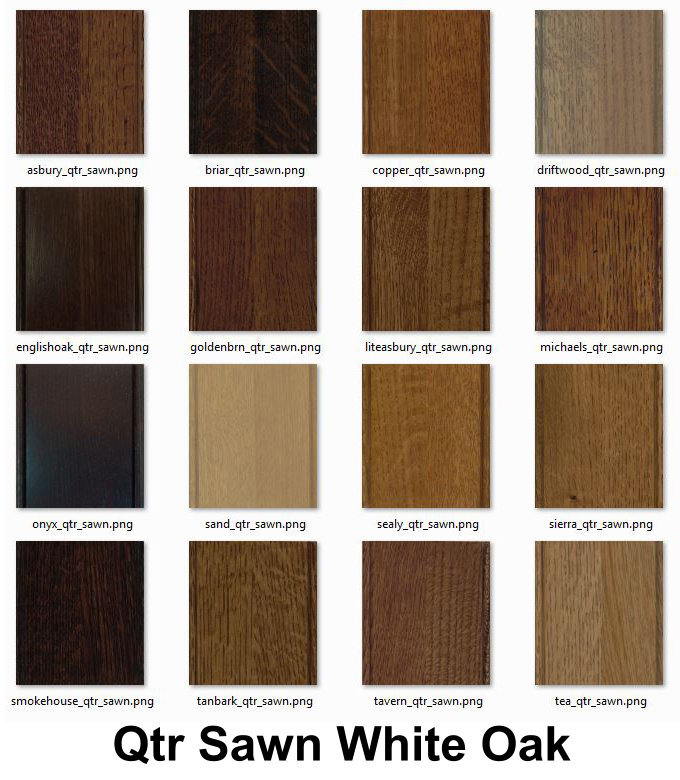
Quarter Sawn Oak

Quarter Sawn Oak has a unique grain pattern which is achieved by cutting the wood at a 90 degree angle to the tree’s growth rings. If you love furniture with texture, then Quarter Sawn is a great choice. This wood has a cooler white to sage undertone and is very durable with good wear-resistance. Because Quarter Sawn Oak is cut at an angle, it exhibits a tight grain with dramatic light and dark tones. Quarter Sawn Oak absorbs stains richly and evenly. The natural variation of color exhibited in the wood grain is enhanced with staining. Quarter Sawn Oak has a rating of 1360 on the Janka Hardness Scale*.
Cherry

Cherry

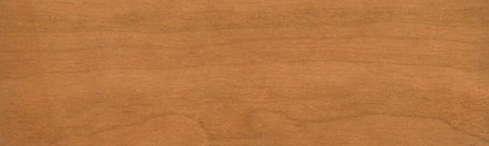
Cherry wood has a fine satin-smooth texture and a circular grain pattern. The heartwood of cherry varies from a rich red to reddish brown, while the sapwood is creamy-white in contrast. Over time it will darken with exposure to light and heat. The wood may also naturally contain brown pith flecks and small pit pockets. Because it is a softer wood, it is more prone to denting with heavy use. Cherry wood has a natural reddish hue and this warmth is intensified by all of the cherry stains. When stained, this fine grain has a very eventoned finish. Cherry has a rating of 950 on the Janka Hardness scale*.
Maple

Maple

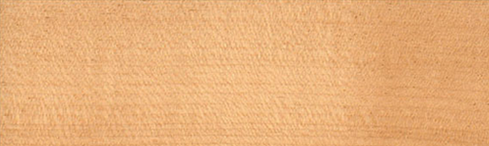
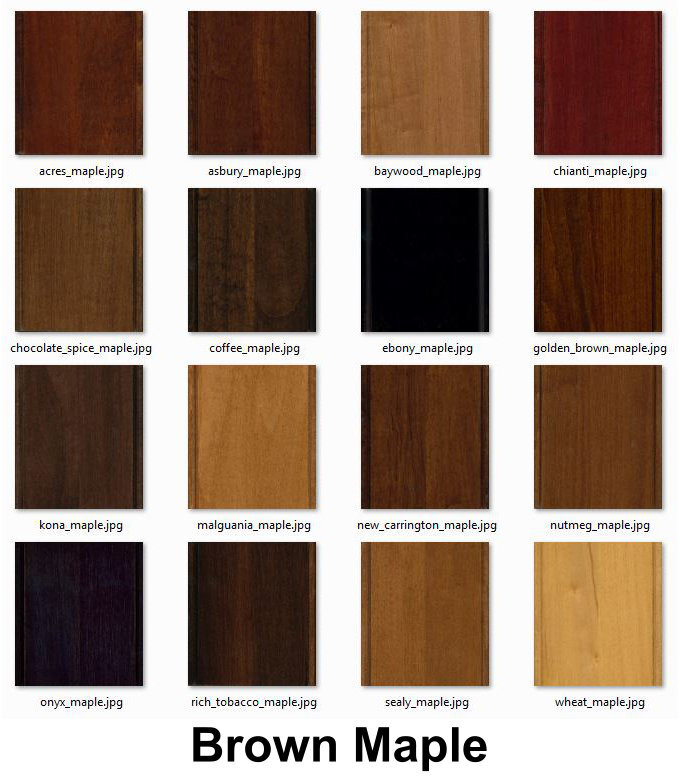
Maple is one of the hardest domestic woods in the USA. Because of its hardness, it is very durable. The sapwood is creamy white with a golden hue and the heartwood varies from light to dark golden brown. The wood has a close, fine texture and a light circular grain pattern. The light tone of Maple makes the stain colors appear bold and bright, while the hard and smooth texture makes it less suited for dark stains. The hardness can prevent the stain from soaking into the wood, which can create darker stained areas. This wood captures light and brightens any space. Maple has a rating of 1450 on the Janka Hardness scale*.
Walnut

Walnut

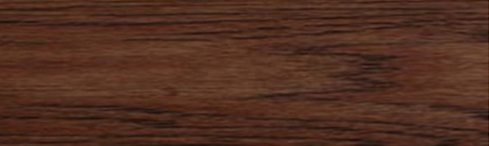
Walnut has a rich chocolate or purplish brown color with hints of grey, black, and even dark blue. It has a beautiful grain pattern and is the only dark brown hardwood grown domestically. Over time it will take on a light golden brown color, which is slight and almost unnoticeable. Walnut has a rating of 1010 on the Janka Hardness scale*.
Hickory

Hickory

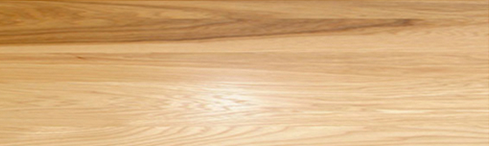
Hickory has a contrasting reddish and cream color graining and it is a beautiful wood for furniture. It has a medium grain that gives an earthy feel with a smooth look. It is also the strongest wood type that we offer. Hickory has a rating of 1820 on the Janka Hardness Scale*.
Aspen

Rocky Mountain Aspen

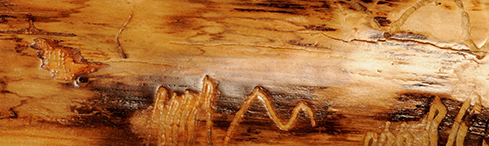
The Rocky Mountain Aspen showcases the natural beauty of rugged wood. The trees are left standing dead for unto 3-5 years before they are cut down and used for building furniture. The harsh elements of high elevations help to create the natural beauty of the Aspen, creating a truly unique look to every piece of wood. The decaying bark helps give the black, brown, red, or even blue stained look. After the trees have been processed by nature's forces, the trees are cut down and hand cut into the different pieces of lumber to be used in building truly remarkable rustic furniture.
Hickory-Twig

Hickory Twig

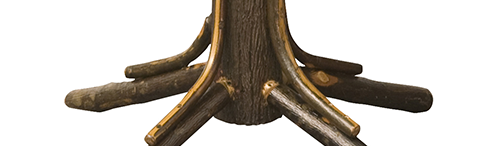
The mighty hickory towers over most other trees with a height up to 120 feet. Uncommon strength, hardness and resilience allow it to withstand the harshest elements nature can deliver… and make it a real challenge for even the expert woodworker. People choose the Hickory Twig because of its extraordinary strength, inherent beauty, distinctive grains and natural color shifts. That’s what makes every Hickory Twig creation a unique combination of nature’s art and human artistry… a treasured heirloom that withstands the test of time.
*The Janka hardness test is a measurement of the force necessary to embed a .444 inch steel ball to half its diameter in wood. It is the industry standard for gauging the ability of various species to tolerate denting and normal wear, as well as being a good indication of the effort required to either nail or saw the particular wood.

Wood Finish Options

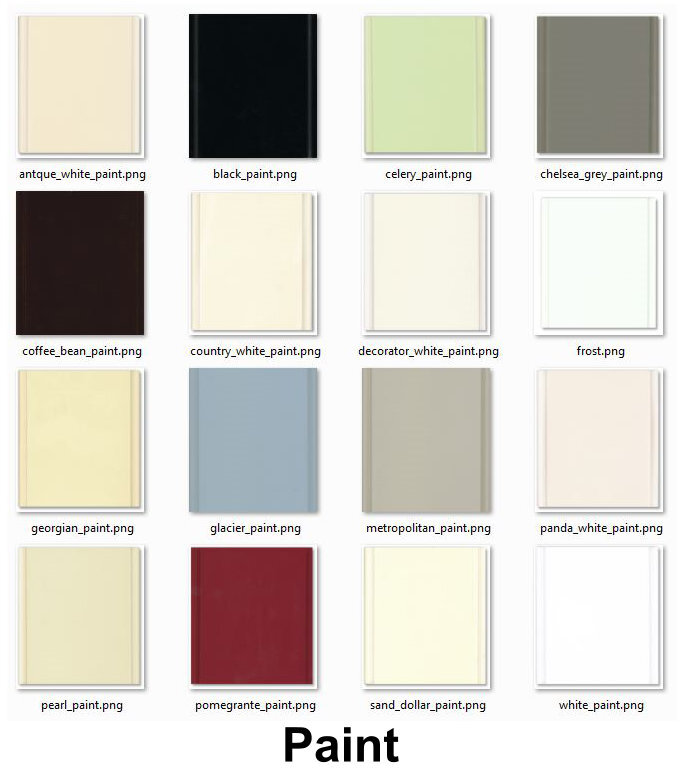
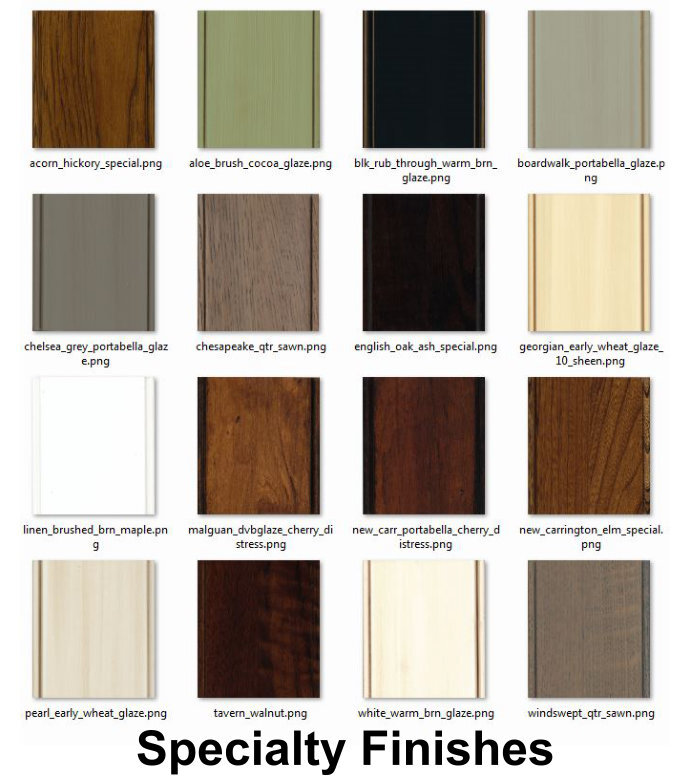
Stains

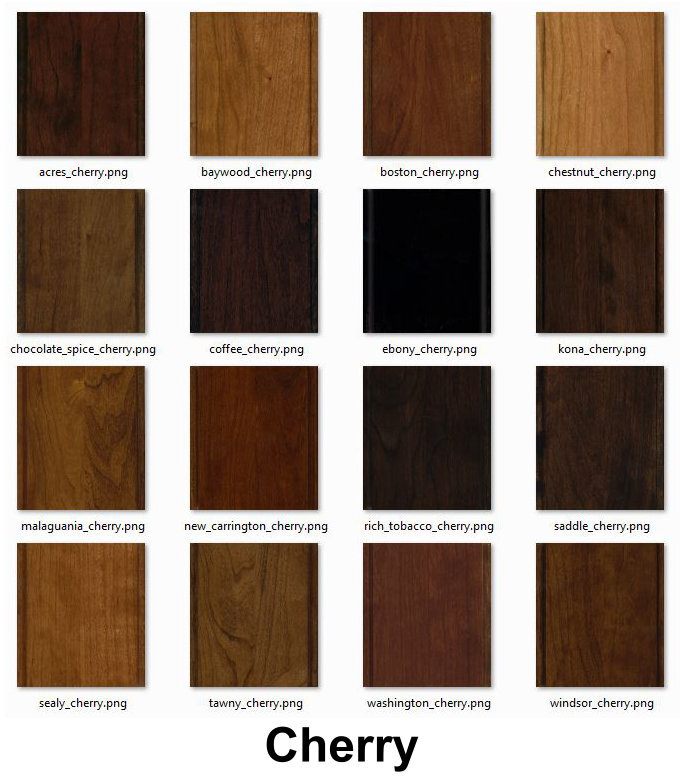
Covered Bridge will customize furniture with your choice of one of our beautiful stain options. Or if you prefer an exact color match bring us a sample piece, and we will match the color for you through a lab.

Note: Due to differences in computer monitors, these pictures do not always accurately display the stain color. Come visit our store, and we will be delighted to show you the stain samples in real life.

Click on any of the images below to enlarge them.

Top Coat – What Type of Finish Is Best?

Furniture finishes come in two categories, penetrating and film.

Penetrating (oil) Finishes contain only oil and do not form a hard coating on the surface of the furniture. Instead the oil penetrates the wood, filling the cracks and defects. The oil hardens inside the wood, making the wood stronger. This type of finish allows you to feel the grain of the wood but offers less protection from water or objects that would mar the surface. We recommend maintaining the beauty of oil finish by applying oil polish twice a year. At Covered Bridge Furniture, we can offer you a quality oil polish for your hardwood furniture.

Film finishes offer superior protection and cover the wood with a clear varnish coating. They cure hard on the surface of the furniture and can be built up to the thickness you want. Because of the thickness, film finishes offer better protection from scratches, water, and water vapor than the penetrating (oil) finishes.

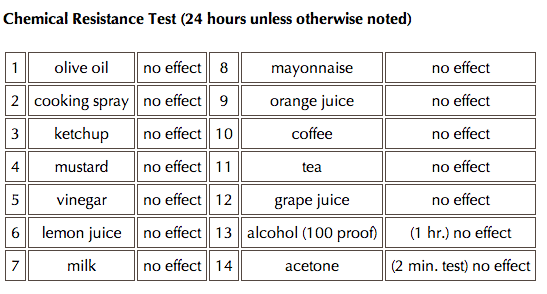
Conversion varnish is a type of film finish that “topcoats” the wood after it is stained. Benefits of conversion varnish are its excellent sealing ability and the wear quality it gives the customer. It has an excellent resistance to foods, liquids, and common household chemicals and has won superior marks in chemical resistance tests conducted by the manufacturer.

Conversion varnish is the most commonly used finish by high-end furniture makers, including most Amish furniture finishing shops. We use conversion varnish on the majority of the furniture that we sell.

Tips - How to Maintain the Beauty of Your Furniture’s Finish

Although conversion varnish offers a hard, mar-resistant surface, it may still be damaged or scratched if not taken care of properly. The luster of your furniture’s finish can be enjoyed by future generations when properly cared for.

What Is the Difference Between Lacquers and Conversion Varnish?

Lacquer is a low quality coating that is not durable and does not resist moisture. It is commonly used on furniture today, but because of its inferiority we do not use it on any of the furniture that we sell.

Conversion varnish is a high quality coating that provides longevity and durability to your furniture.

Conversion varnish also has an excellent resistance to moisture. A cup of water left on a lacquer top overnight will leave a white ring on the finish. You can forget about a cup of water on the surface of a conversion varnish finish for a week. When you remove it, any marks that may be left on the finish will wipe off easily.

We use conversion varnish because it is durable enough to last the lifetime of your furniture.

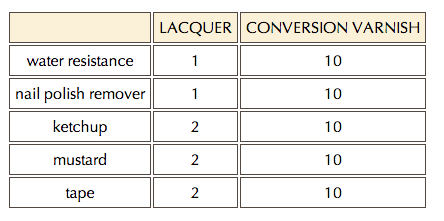
Coating report between Lacquers and Conversion Varnish

A comparison between the two types of products. (Scale of 1 to 10.) 1 = severe effect 10 = no effect
9853003_orig
8756621_orig
Scroll to Top